1. Have a Backyard Movie Night
A backyard movie night can turn an ordinary evening into a small family tradition. It does not require a professional screen, expensive equipment, or an elaborate setup. A white sheet, a simple projector, a laptop, or even a television placed safely near the patio can be enough. Add blankets, lawn chairs, pillows, popcorn, and a movie everyone can enjoy, and the backyard begins to feel like a private theater beneath the sky.
What makes this activity meaningful is not only the movie itself. It is the preparation. Children can help choose the film, arrange the seating, carry snacks, make tickets, or create signs. Even young children can place pillows on the grass or pour popcorn into bowls. These small jobs help them feel that the evening belongs to the whole family rather than being something adults have prepared for them.
Shared preparation teaches cooperation. One child may want an animated movie while another wants an adventure. A parent may prefer an old family classic. Choosing together becomes a gentle lesson in compromise. Everyone may not get their first choice, but everyone can have a voice.
For older adults, a family movie night may awaken memories of drive-in theaters, folding lawn chairs, and summer evenings when entertainment felt simpler. Sharing an older movie with grandchildren can create a bridge between generations. A grandparent might explain why a particular film mattered years ago or tell stories about watching it for the first time. In return, the children may introduce the adults to something newer.
This exchange matters. Children need to know that their family existed before they were born. They need stories that connect them to people, places, music, traditions, and experiences beyond their own lifetime. A movie can become the doorway to those stories.
The atmosphere also makes room for closeness. Families often watch television while distracted by phones, chores, and separate routines. A backyard movie night feels different because everyone has chosen to pause. The night air, the glow of the screen, the sound of laughter, and the shared bowl of popcorn turn viewing into an experience.
Parents do not need to insist on perfection. The mosquitoes may appear. A child may spill a drink. Someone may complain about the seating. The movie may be interrupted by barking dogs or passing cars. These inconveniences do not ruin the memory. Often, they become the part everyone laughs about later.
The deeper lesson is that a home does not need to be large or impressive to be full of wonder. Children learn that ordinary spaces can be transformed through creativity and togetherness. A backyard can become a theater. A blanket can become the best seat in the house. A familiar movie can become unforgettable because the people watching it chose to be present with one another.
2. Make Homemade Popsicles Together
Homemade popsicles are one of those simple summer pleasures that allow children to create something with their own hands and then enjoy the result. The ingredients can be as basic as fruit juice, yogurt, mashed berries, or blended fruit. The process is easy, but it contains several valuable lessons.
First, children learn patience. The popsicles cannot be eaten immediately. They must be mixed, poured, placed in the freezer, and left alone long enough to become solid. For children who live in a world of instant answers and immediate entertainment, waiting can be difficult. Yet waiting is an important life skill.
Parents can make the waiting part of the experience. Children can check the freezer later, predict whether the popsicles are ready, or count the hours together. The anticipation helps build appreciation. A treat made slowly often feels more special than one purchased and eaten within minutes.
Making popsicles also encourages experimentation. Families can try different combinations: strawberry and yogurt, peach and orange juice, watermelon and lime, blueberry and lemonade, or banana and peanut butter. Not every combination will be perfect. That is part of the lesson.
Children need safe opportunities to try something that may not work. If a flavor turns out too sour, too icy, or less delicious than expected, the family can laugh, adjust the recipe, and try again. This teaches that mistakes are not disasters. They are information.
Older family members can bring their own memories and recipes into the kitchen. Many grandparents remember summers when treats were homemade because buying them regularly was not possible. They may recall frozen juice cups, ice milk, fruit from the garden, or recipes passed down through the family. Sharing these stories helps children understand how family life has changed while also showing them that pleasure has never depended entirely on convenience.
There is also something important about working side by side in the kitchen. Conversation often comes more naturally when hands are busy. A child may talk about school, friends, worries, or dreams while washing fruit or stirring a mixture. The activity gives the conversation a comfortable rhythm.
Parents can use the moment to teach basic responsibility. Children can help clean spills, return ingredients, rinse tools, and wipe the counter. The message is simple: when we create something together, we also care for the space together.
The popsicle itself will disappear quickly. It will melt down the child’s hand, drip onto the porch, and be gone within minutes. But the experience lasts longer. The child remembers choosing the fruit, tasting the mixture, waiting impatiently, and finally pulling the frozen treat from the mold.
Family connection is often built this way—not through grand speeches, but through ordinary tasks done with warmth.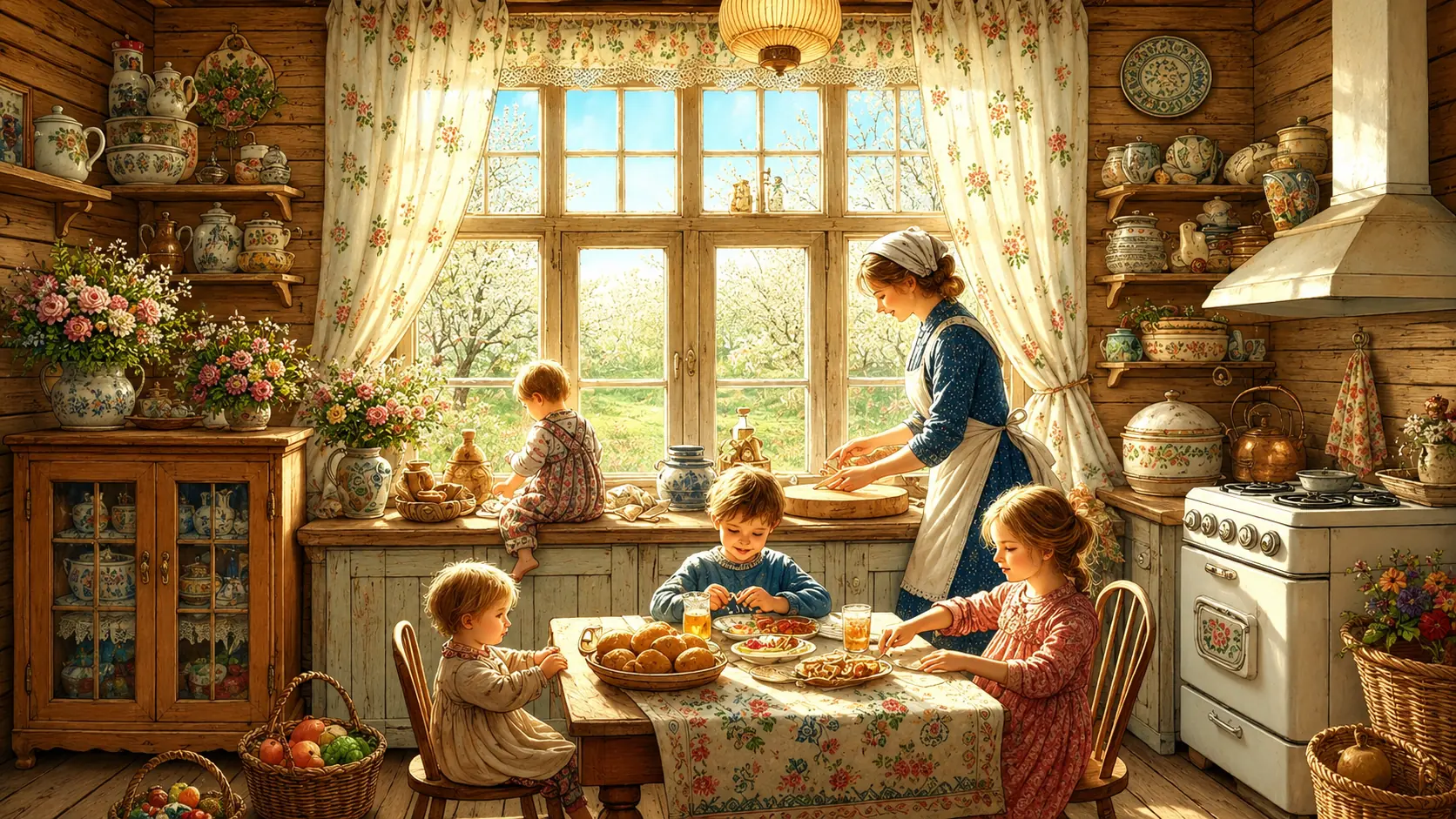
3. Visit a Splash Pad or Water Park
A visit to a splash pad or water park gives children the freedom to move, laugh, cool off, and experience the joy of water in a shared setting. Whether the family chooses a free neighborhood splash pad, a community pool, or a larger water park, the experience offers more than simple entertainment.
Water play encourages physical confidence. Children run, balance, climb, jump, and learn how their bodies move. A cautious child may begin by standing at the edge of the spray before slowly stepping closer. A more adventurous child may race straight into the fountains. Both are learning about courage in their own way.
Parents can support that growth without forcing it. It can be tempting to say, “Go on, it is not scary,” but children often benefit more from calm encouragement: “You can watch first,” or, “I will stand beside you when you are ready.” This teaches children that bravery is not the absence of fear. Bravery is moving forward at a pace the body can handle.
Water environments also create natural opportunities to teach safety. Children can learn to wait their turn, follow posted rules, stay within sight of an adult, walk instead of run in slippery areas, and respect other children’s space. These lessons matter because fun and responsibility must exist together.
For grandparents, water play may bring mixed feelings. Some may want to participate fully, while others have physical limitations that make running, climbing, or standing for long periods difficult. The role of an older adult is still valuable. A grandparent can hold towels, offer encouragement, take pictures, prepare snacks, or become the safe place a child returns to between adventures.
Children often remember who was watching. They glance toward the bench after going down a slide or running through a fountain. They want to know that someone saw their courage. A smile, a wave, or a proud expression can mean as much as joining the activity.
A water park can also teach flexibility. Lines may be long. A favorite attraction may be closed. The weather may change. A child may become tired sooner than expected. Parents can model how to handle disappointment without allowing it to define the entire day.
“We cannot use that slide today, but we can choose something else.”
This response teaches resilience. Life will not always follow the plan, but the family can still find joy.
The goal is not to stay until everyone is exhausted and miserable. Sometimes the wisest choice is to leave while the experience is still positive. Children do not always recognize when their bodies are becoming tired, hungry, or overstimulated. Adults can help them end the day gently before the fun turns into a meltdown.
A successful outing is not measured by how many attractions were completed. It is measured by whether the family returned home feeling more connected than when they left.
4. Go on a Sunset Walk or Bike Ride
A sunset walk or bike ride invites the family to slow down at the end of the day. Summer evenings often carry a special kind of peace. The heat begins to lift, the sky changes color, neighbors come outside, and ordinary streets feel softer beneath the fading light.
This activity does not need a destination. The family can walk around the block, follow a nearby trail, ride through the neighborhood, or visit a quiet park. The purpose is simply to move together and notice the evening.
Walking side by side can make conversation easier. Children and teenagers may share more when they are not being questioned directly across a table. Movement reduces pressure. Silence also feels more natural. A parent can allow the conversation to unfold rather than asking a long series of questions.
A child may point out a dog, a bird, a house, or a cloud. These observations can lead to stories and conversations that would never happen during a rushed car ride. Parents can listen for what is underneath the small talk. Sometimes children begin with something unimportant because they are deciding whether it feels safe to share something more meaningful.
Bike rides teach additional lessons about awareness and responsibility. Children must watch for cars, stay together, follow signals, wear helmets, and respect the pace of the group. A faster child may need to wait for a younger sibling. A confident rider may encourage someone who is still learning.
This is how family teaches consideration. We do not always move at the pace of the strongest person. Sometimes love means slowing down so no one is left behind.
Older adults can participate according to their ability. Some may ride, some may walk, and others may meet the family at a bench or porch. Even sitting together outside to watch the sun disappear can create the same sense of pause.
The sunset itself becomes a lesson in attention. Children are surrounded by beauty every day, but they often need adults to help them notice it. A parent can say, “Look at the color near the clouds,” or, “Listen to how quiet the neighborhood is becoming.” This is not a lecture. It is an invitation to wonder.
Gratitude grows when people learn to notice what is already present. Families do not need to travel far to experience beauty. Sometimes it is waiting at the end of the street.
There is another lesson hidden in the sunset: endings can be beautiful. The day is closing, but the closing is not something to fear. It can be peaceful. Children who learn to appreciate transitions may become more able to handle the many endings life eventually brings.
A simple evening walk can teach a family how to be together without needing constant entertainment. It reminds everyone that conversation, movement, and a changing sky are enough.
5. Camp Out in the Living Room or Backyard
Camping does not require a national park, expensive equipment, or a long drive. A tent in the backyard or a blanket fort in the living room can give children the excitement of adventure while keeping the family close to home.
The preparation is half the fun. Children can gather sleeping bags, flashlights, pillows, books, stuffed animals, and snacks. They can help build the fort, arrange the tent, or create a list of camping rules. The unusual sleeping arrangement makes an ordinary night feel special.
Camping at home is also a safe way for children to practice flexibility. The floor may feel uncomfortable. The backyard may sound different at night. A child may become nervous after the lights go out. Parents can respond with patience rather than teasing or forcing.
A child who changes their mind and wants to return to bed has not failed. The experience still matters. Courage can include trying something new and also recognizing when comfort is needed.
For families with young children, indoor camping may be the better choice. The living room can become a place for stories, shadow puppets, quiet games, and whispered conversations. Parents can turn off the usual lights and let flashlights create the feeling of being somewhere new.
Grandparents may enjoy telling stories from earlier camping trips or childhood nights spent on porches, in cabins, or under open windows. Oral storytelling is especially powerful in this setting. Without screens and bright lights, children listen differently. The voice becomes the center of attention.
Families can tell funny stories, make up adventures, or share memories from when the adults were young. Children are often amazed to hear that their parents and grandparents were once afraid of the dark, argued with siblings, got lost, made mistakes, or had imaginary adventures of their own.
These stories humanize adults. They help children see family members not only as authority figures, but as people who have lived full and imperfect lives.
Camping also encourages teamwork. Someone must hold the blanket while another clips it in place. Someone must gather snacks. Someone must help clean up in the morning. The experience belongs to everyone, so the responsibility does too.
The night may not go smoothly. Children may stay awake far too late. The tent may collapse. A storm may force everyone inside. A parent may decide that the couch is more comfortable than the floor. None of this means the activity was unsuccessful.
Family memories are rarely polished. Their beauty comes from the fact that they happened.
Years later, a child may not remember the expensive toy received that summer, but may remember the night everyone slept in the living room beneath a fort made from dining-room chairs. The child will remember feeling that home could become an adventure simply because the family decided to imagine together.
6. Try a New Ice Cream Shop
Visiting a new ice cream shop may seem like a small outing, but it offers a joyful break from routine. The destination can be a family-owned shop, a roadside stand, a local dairy, or a place in another neighborhood. The experience is less about the ice cream than the shared anticipation.
Children enjoy making choices, and an ice cream shop provides a manageable opportunity to practice. They may need to choose between many flavors, toppings, cones, and sizes. Parents can help without taking over.
A child who feels overwhelmed can be offered two or three options. An older child can be encouraged to ask questions, speak to the employee, place the order, and say thank you. These small social interactions build confidence.
The outing can also teach children about money. Families might set a clear budget before arriving. “Everyone may choose one scoop and one topping.” This boundary allows children to enjoy the experience without expecting unlimited choices.
If the child wants something outside the budget, the parent can remain calm. “That looks delicious, but today we are choosing from these options.” A boundary does not need to become an argument.
Trying a new flavor also teaches openness. Parents can model curiosity by choosing something unfamiliar. Children may discover a favorite, or they may decide they do not like it. Both outcomes are valuable. The point is not to force adventurous eating, but to show that new experiences can be approached with interest rather than fear.
For older adults, ice cream shops often carry strong memories. Many remember walking to a local counter, hearing the bell on the door, choosing from only a few flavors, or sharing a sundae after church, school events, or family outings. Telling these stories can make the visit richer.
A grandparent might say, “When I was your age, this was the flavor I always chose,” or, “We used to save coins for a treat like this.” Children begin to understand that the pleasure they are experiencing connects them to earlier generations.
The family can make the outing feel more meaningful by slowing down. Instead of eating quickly in the car, sit at a table, walk around the area, or find a bench. Notice the expressions, the dripping cones, the laughter, and the inevitable mess.
Parents sometimes avoid messy experiences because cleanup feels inconvenient. Yet childhood is full of sticky hands, stained shirts, and melted treats. A napkin can clean the hands. The memory is worth the trouble.
Trying a new ice cream shop teaches that joy does not always need to be productive. Families need moments with no lesson plan, no achievement, and no larger purpose beyond enjoying one another.
That, too, is an important lesson.
7. Have a “Yes Day”
A “yes day” can sound alarming to parents who imagine children requesting unlimited candy, expensive purchases, dangerous activities, or complete freedom from rules. But a healthy yes day is not a day without boundaries. It is a day when parents choose to say yes more often within limits that have already been made clear.
Before the day begins, the family can establish simple rules. Requests must be safe, respectful, affordable, and possible within the available time. No one may harm another person, damage property, or ignore essential responsibilities. Once the boundaries are clear, children are invited to make choices.
They may ask to wear pajamas all day, eat breakfast for dinner, build a giant fort, have a dance party, choose the music in the car, run through the sprinkler, or stay up slightly later. Most children’s wishes are simpler than adults expect.
The purpose of a yes day is not to give children control over the entire family. It is to allow them to experience the joy of being heard. Children spend much of their lives hearing, “Not now,” “Maybe later,” “We do not have time,” and “Because I said so.” Many of those answers are necessary. But a day of intentional yeses can restore playfulness and trust.
Parents also learn something from the requests. What does the child really want? More attention? More silliness? More physical play? More choice? A request to have a picnic on the floor may reveal that the child is not asking for expensive entertainment. The child is asking the family to break routine together.
A yes day can also teach responsibility. Children can help plan the schedule, prepare food, clean up, and consider the preferences of siblings. If one person chooses the morning activity, another may choose the afternoon. Saying yes to one child should not mean ignoring everyone else.
Grandparents may find yes days especially enjoyable because they often have more freedom to be playful. Yet they should still respect the parents’ boundaries. A grandparent’s yes should not create conflict with the child’s home rules. The best yes days happen when adults communicate and work together.
This activity also teaches that freedom works best within structure. Children feel secure when they know the edges. They can be creative inside those edges without worrying that the adults have abandoned leadership.
At the end of the day, families can talk about their favorite moment. The answer may surprise everyone. The child may not choose the special food or the late bedtime. The favorite memory may be dancing with Dad, painting Grandma’s nails, or laughing together in the sprinkler.
A yes day reminds families that connection often begins when adults become willing to enter the child’s idea of fun.
8. Make a Summer Scrapbook or Photo Journal
A summer scrapbook or photo journal helps a family hold onto moments that might otherwise be forgotten. Children often assume they will remember everything, but memories fade. A photograph, ticket stub, pressed flower, drawing, or handwritten sentence can bring an entire day back to life years later.
The scrapbook does not need to be perfect. It can be a simple notebook, a folder, a photo album, or a box filled with summer keepsakes. Families can print pictures, tape in receipts, add drawings, record funny quotes, or write one sentence about each activity.
Children should be allowed to contribute in their own style. A young child may scribble, choose stickers, or dictate a sentence. An older child may write captions, design pages, or organize photographs. Parents can resist the temptation to make every page look polished.
The child’s handwriting, spelling mistakes, uneven cutting, and unusual choices are part of the memory. Years later, those imperfections will be precious.
This project teaches reflection. Children are asked not only, “What did we do?” but also, “What did we enjoy? What surprised us? What was difficult? What do we want to remember?” Reflection helps children understand their own experiences rather than rushing immediately toward the next one.
A photo journal can also prevent parents from experiencing summer only through a camera. The goal is not to document every minute. One or two pictures can be enough. Families can choose moments to photograph and moments to leave unrecorded.
This balance is increasingly important. Parents often feel pressure to capture and share everything. But children need experiences that belong only to the family. Not every smile must be posted. Not every outing needs an audience.
Older adults understand the value of physical keepsakes. Many have boxes of printed photographs, letters, recipe cards, and school papers that have survived for decades. These objects carry a weight that digital files often do not. A child can sit beside a grandparent, turn the pages, touch the paper, and ask questions.
Grandparents can contribute their own summer memories to the scrapbook. A page might include a photograph from long ago beside a new picture of the grandchild doing something similar. This creates a visible connection between generations.
At the end of summer, the family can look through the completed journal together. The pages will reveal something important: the season was not defined only by big events. It was made of small moments, many of which might have seemed ordinary at the time.
The scrapbook teaches children to value their own life. It says, “Our days are worth remembering. Our family stories matter.”
9. Go Berry Picking or Visit a Local Farm
Berry picking or visiting a local farm connects children to the source of their food. In a world where strawberries appear in plastic containers and milk arrives in cartons, children may have little understanding of how food grows, how much work it requires, or how many people contribute before it reaches the table.
Walking through a berry field allows children to see that fruit does not appear perfectly cleaned and sorted. They learn to look carefully, choose ripe berries, handle plants gently, and place what they pick into a basket without crushing it.
This requires patience. The largest berries may be hidden. Some are not ready. Others may have been eaten by birds or insects. Children begin to understand that nature does not operate like a store shelf.
A farm visit can introduce animals, crops, tools, and seasonal rhythms. Parents can explain that different foods grow at different times and in different places. They can discuss the weather, soil, water, and labor involved.
The lesson does not need to become formal. Curiosity is enough. “Why do you think this plant needs so much space?” “What do you notice about the berries that are ready?” “How do you think the farmers care for this field?”
Older adults may have personal experience with gardens, farms, preserving food, or seasonal work. Even those who did not grow up on farms may remember when food was more closely tied to local seasons. Their stories can help children appreciate changes in food production while recognizing the value of earlier knowledge.
After the visit, the family can use what they picked. Berries can become jam, pie, pancakes, muffins, or the homemade popsicles from earlier on the list. Cooking with the harvest extends the experience and teaches children not to waste what required effort to collect.
Families should also prepare for the realities of a farm. It may be hot, muddy, dusty, buggy, or tiring. Children may pick less than expected. Someone may complain. The outing can still be worthwhile.
Discomfort is not always a sign that an experience has failed. Children benefit from learning that meaningful activities may include heat, waiting, effort, and dirt. They can wash their shoes later. The lesson in resilience will remain.
A local farm visit also supports a sense of community. Children meet the people whose work feeds families. They see that food is connected to real land and real labor.
Gratitude becomes more specific when children understand what they are grateful for. A berry is no longer simply something in the refrigerator. It is the result of soil, sunlight, rain, time, and human care.
10. Spend a Whole Day Device-Free Together
A device-free day may be one of the most challenging activities on the list, not only for children, but for adults. Phones, tablets, televisions, computers, and gaming systems have become woven into family life. They provide work, communication, entertainment, information, navigation, and convenience.
The goal is not to declare technology evil. Technology can be useful and meaningful. The purpose of a device-free day is to notice what happens when the constant stream of digital attention becomes quiet.
Families should prepare in advance. Adults may need to notify others, print directions, choose music ahead of time, or make arrangements for essential communication. Devices can be placed in a basket, drawer, or designated room.
Parents must be willing to follow the same rule they give the children. A device-free day will feel unfair if adults repeatedly check phones while expecting children to remain disconnected. The most powerful teaching is the adult’s example.
At first, boredom may appear. Children may complain that there is nothing to do. Adults may feel restless and repeatedly reach for a phone without thinking. This discomfort is revealing. It shows how automatic digital habits have become.
Parents do not need to immediately rescue children from boredom. Boredom can become the beginning of creativity. After enough time, children may build, draw, invent a game, go outside, read, cook, or begin a conversation.
The family can plan a few shared activities without scheduling every minute. A walk, board game, picnic, baking project, or visit to relatives can give the day structure. Still, leave room for unplanned time.
A device-free day also allows family members to notice one another’s expressions, moods, and stories. At dinner, there is no screen to interrupt. In the car, people may talk or look out the window. During a quiet moment, a child may finally share something that had been hidden beneath constant distraction.
Older adults often remember family life before portable screens existed. Their memories should not be used to shame younger people. The world has changed. Instead, grandparents can help children rediscover activities that once filled ordinary days: card games, puzzles, letter writing, gardening, storytelling, crafts, and long conversations.
At the end of the day, the family can discuss what felt difficult and what felt good. Children may be honest that they missed their devices. Adults may admit the same. The purpose is not to prove moral superiority. It is to build awareness.
Technology should serve family life, not quietly replace it. A device-free day reminds everyone that attention is one of the most valuable gifts a person can offer.
11. Have a Picnic at the Park
A picnic turns a meal into an outing. The food does not need to be elaborate. Sandwiches, fruit, chips, vegetables, cookies, and cold drinks are enough. The change of setting creates the sense of occasion.
Children can help pack the basket, choose a blanket, prepare simple foods, and remember essentials such as napkins, sunscreen, and water. These tasks build planning skills and responsibility.
Parents can allow children to make age-appropriate decisions. One child might choose the fruit, another the dessert, and another the park. Shared ownership increases cooperation.
At the park, families can spread out the blanket and eat without rushing. A meal outdoors naturally invites observation. Children may watch squirrels, birds, clouds, playground activity, or people walking their dogs. Conversation becomes part of the environment rather than something adults must force.
A picnic also teaches flexibility. The ground may be uneven. The wind may blow napkins away. Ants may appear. A drink may spill. Families can respond with humor rather than frustration.
Children learn how to interpret inconvenience by watching adults. If every small problem becomes a crisis, children become anxious about imperfection. If adults calmly say, “Well, the wind wanted a napkin too,” the family moves on.
After eating, the family can play, walk, read, toss a ball, or simply rest. The picnic does not need to be filled with activities. Resting together is valuable.
For older adults, parks often offer an accessible way to join family outings. A grandparent may not be able to hike or run, but can sit beneath a tree, watch children play, share food, and participate in conversation. Children benefit from seeing generations together in ordinary spaces.
Picnics also create opportunities to practice care for shared places. Families can clean the area, collect trash, and leave the park better than they found it. Children learn that public spaces belong to everyone and should be treated with respect.
The meal itself may be forgotten, but the atmosphere may remain: the feel of the blanket, the shade of the tree, the sound of children laughing, and the freedom of eating lunch without walls around them.
A picnic teaches that celebration does not require a holiday. An ordinary afternoon can become special because the family decided to carry dinner outside.
12. Watch the Sunrise or Stargaze as a Family
Watching the sunrise or stargazing invites a family into wonder. These activities require something many families rarely practice together: stillness.
To watch the sunrise, everyone must wake earlier than usual, gather quietly, and wait. To stargaze, the family must step away from bright lights, allow their eyes to adjust, and look upward long enough to notice what is there.
The waiting is part of the experience.
Children may initially become impatient. The sky does not change on demand. Stars do not perform like a screen. But gradually, small details emerge. A dark horizon begins to glow. A single star becomes many. The moon appears brighter. A cloud changes shape. The first birds begin to sing.
Parents can resist the urge to fill every moment with explanation. Sometimes the best response to beauty is silence. Children need to learn that not every experience must be narrated, photographed, or turned into a lesson.
Still, simple questions can deepen attention. “What is the first color you notice?” “Which star looks brightest?” “How does the air feel?” “What sounds can you hear?”
Grandparents may bring stories, songs, prayers, or memories into the moment. They may remember sleeping under the stars, waking early for work, watching sunrise during military service, traveling, camping, or sitting beside someone they loved.
These stories remind children that the sky they are seeing has been watched by generations before them. The same moon shone above their parents and grandparents when they were young.
Stargazing can also help children understand their place in the world. They are small, but not unimportant. The universe is vast, yet they are part of a family that has chosen to sit beside them in the dark.
For families of faith, sunrise and stars may become moments of prayer or gratitude. For others, they may inspire reflection, curiosity, or scientific interest. The experience does not need to be defined in only one way. Wonder has room for many responses.
The most important element is presence. The family is not rushing anywhere. No one is trying to accomplish a task. They are simply witnessing something together.
One day, children will face moments of uncertainty, grief, change, and loneliness. The memory of sitting beneath a sky full of stars may become a quiet source of perspective. They may remember that darkness is not empty. Light is often present before we are able to see it.
A sunrise carries a similar message. No matter how long the night feels, the sky changes. Morning comes slowly, then all at once.
The Summer Your Family Will Remember
A meaningful summer is not measured by distance traveled, money spent, or the number of photographs collected. It is measured in moments of attention.
It is the parent who puts down the phone and sits on the picnic blanket.
It is the grandparent who stays awake long enough to watch the stars with a child.
It is the family laughing when the backyard tent collapses.
It is the melted popsicle, the wet swimsuit, the wrong turn on the bike ride, the berry-stained fingers, and the movie interrupted by a summer storm.
These experiences are simple, but simple does not mean insignificant.
Children build their understanding of family through repetition. Every time adults choose connection, children receive the message that being together matters. Every time a parent includes a child in preparation, the child learns that contribution matters. Every time a family responds to inconvenience with patience, the child learns that joy does not require perfection.
Older adults often carry a painful awareness that time moves faster than anyone expects. Looking back, the summers of childhood may seem to blend together, yet a few moments remain unusually clear. The smell of cut grass. A certain ice cream stand. A blanket on the ground. A father lighting a campfire. A mother cutting watermelon. A grandmother saving photographs in an album. A grandfather pointing toward a star.
Why do these moments remain when so much else disappears?
Because love was present inside them.
Children may not have the words to explain this now. They may complain about leaving the house, argue over the movie, resist turning off devices, or lose interest halfway through the scrapbook. Parenting does not become magical simply because an activity appears on a bucket list.
The value is not found in forcing a perfect reaction. It is found in continuing to offer opportunities for connection.
Some activities will become favorites. Others may fail completely. The family may discover that no one enjoys camping, the new ice cream shop is disappointing, or waking for sunrise makes everyone miserable. That is all right. A bucket list is not a test of family success.
It is an invitation to try.
Parents should also remember that children do not need every moment to be extraordinary. Overplanning summer can create pressure for everyone. Children need rest, boredom, independent play, and ordinary days at home. The goal is not to entertain them constantly. The goal is to choose a few experiences and enter them fully.
Presence is more memorable than performance.
A distracted parent at an expensive attraction may feel farther away than a fully present parent sharing sandwiches at the park. A grandparent who listens during a sunset walk may offer more than a costly gift. A family that laughs over imperfect homemade popsicles may create more warmth than a perfectly staged vacation photo.
The season will end. It always does.
The towels will be folded for the last time. The school year will begin. The scrapbook will close. The children will move into another age, another stage, another version of themselves.
But the emotional memory of the summer can remain.
They may remember that home was a place where ordinary nights became adventures.
They may remember that adults listened to their ideas.
They may remember being allowed to choose, help, create, explore, and wonder.
They may remember that someone woke early with them to watch the sun rise.
And years from now, when they become parents or grandparents themselves, they may recreate these moments without fully realizing why. They may hang a sheet in the backyard, make popsicles with their children, pack a picnic, or suggest turning off the phones for a day.
That is how family traditions travel forward.
Not through perfection.
Through love repeated in simple ways.
So do not wait for the perfect week, the perfect weather, or the perfect amount of energy. Choose one thing from the list. Put it on the calendar. Invite the family. Accept that something may go wrong.
Then show up.
Summer does not ask families to make every day unforgettable. It only asks them to notice a few days before they are gone.