The #1 enemy of your thyroid: stop eating this food immediately!
Health 13/12/2025 22:42

Are you concerned about your bone health as you get older? If so, you’re far from alone. Most people know that strength training is critical for maintaining muscle, but far fewer realize that bones also need a specific kind of workout—one most of us rarely think about. Surprisingly, one of the most powerful exercises for building stronger, more resilient bones is also one of the simplest: jumping.
Let’s explore why this overlooked movement may be the missing piece in your long-term bone health strategy—one that could help you stay active, mobile, and independent for years to come.
Bone density naturally declines with age, raising the risk of fractures and reduced mobility.
Traditional strength training helps muscles, but bones need impact-based exercises to grow stronger.
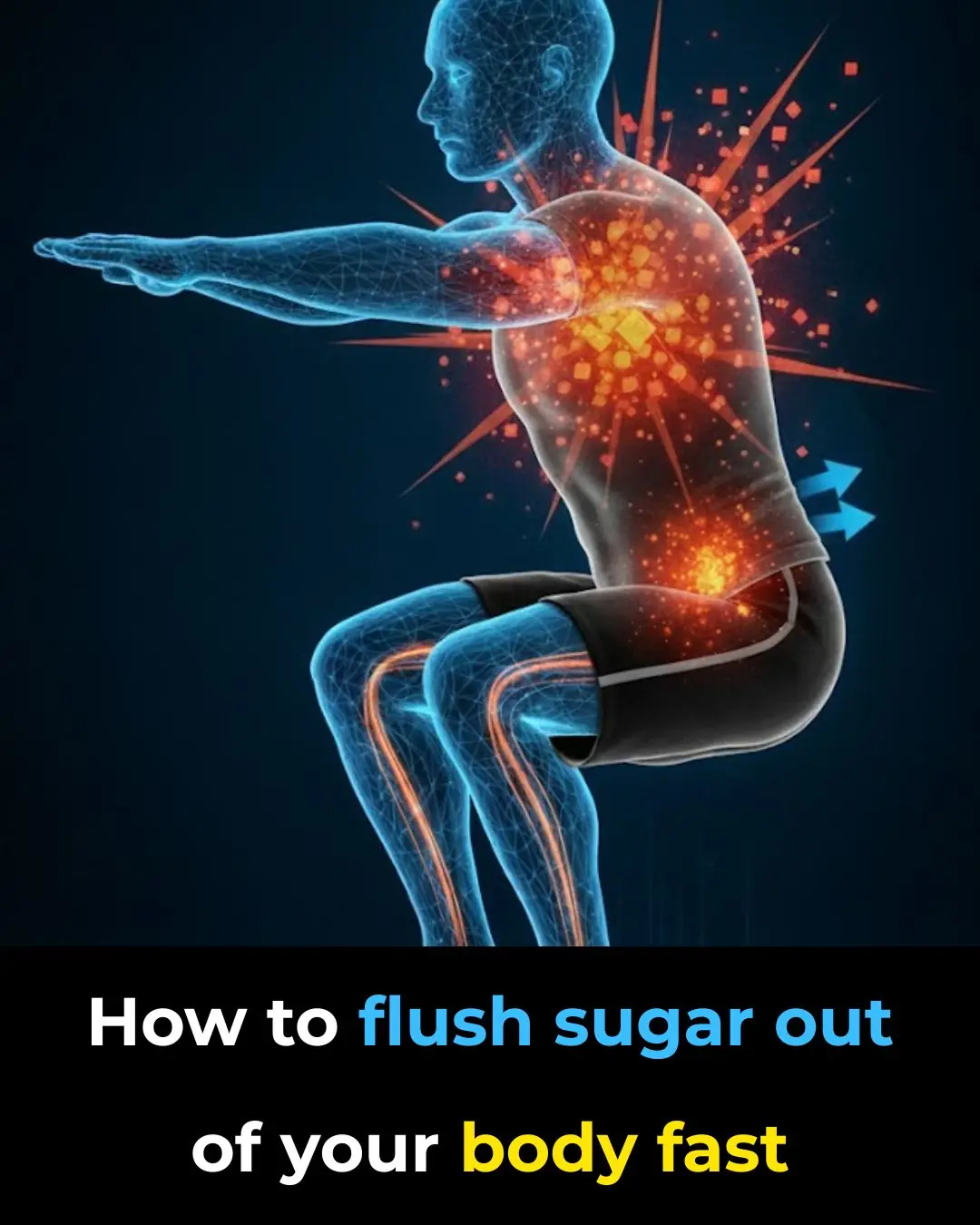
Jumping—especially drop jumps with a vertical rebound—creates enough force to stimulate new bone growth.
The secret lies in ground reaction force, which must reach a certain threshold to trigger bone-building.
You don’t need long workouts—even a few minutes of the right exercises per week can make a measurable difference.
Safety always comes first: proper form, strength, and professional guidance are essential.
As we age, both muscle and bone mass naturally decrease. Bone density—the thickness and structural strength of your bones—plays a critical role in how well your skeleton can withstand impact, pressure, and everyday stress. When bone density drops, the risk of fractures from even small falls rises dramatically.
Weak bones can turn a simple stumble into months of recovery. That’s why building and maintaining bone strength isn’t just a fitness goal—it’s a long-term investment in your independence, mobility, and quality of life.
Bones are living tissues that respond to stress much like muscles do. Every time your feet hit the ground, your skeleton absorbs and responds to a force called ground reaction force. If that force is high enough, it signals your bones to reinforce themselves by laying down new, denser tissue.
Research shows that bone-building requires activities that generate about three times your body weight in impact force—a level much higher than most daily movements or simple exercise routines provide.
This explains why many people don’t see improvements in bone density even if they walk, bike, or lift weights regularly. Without enough impact, bones simply don’t get the stimulation they need.
You may already be active, but here’s how common exercises compare:
Walking produces about 1.5x your body weight in impact—great for general health, but not strong enough to build new bone.
Running produces around 2.5x body weight, which is closer but still below the ideal threshold.
Jump rope falls between walking and running—about 15% less force than running, yet 40% more than walking. It’s better, but still not quite powerful enough to maximize bone-building.
These exercises are excellent for the heart, mind, and overall health—but when it comes to creating stronger, denser bones, they often fall short.
The most effective exercise for bone density—according to Dr. Joscelyn Wittstein, an orthopedic surgeon specializing in sports medicine—is the drop jump with vertical rebound.
Here’s how it works:
Stand on a step about 8 inches high (a typical stair).
Step off—not jump—allowing gravity to bring you down.
Land softly with bent knees.
Immediately jump straight upward in a smooth vertical rebound.
This sequence creates a force greater than four times your body weight, surpassing the threshold needed to stimulate bone growth.
If that sounds a bit intimidating, don’t worry—your home’s lowest stair (usually around 7.75 inches) is the perfect place to start. The movement feels simple, but the impact is powerful.
Here’s a fascinating fact supported by Dr. Emily Stein, a leading researcher in skeletal biology: your bones respond best when they’re surprised.
Repeating the same motion over and over—like walking the same route every day—causes your bones to adapt and stop responding. But when the load, height, or type of impact changes, bones get the signal to reinforce themselves again.
This is why mixing up impact activities—jumping from slightly different heights or combining jump types—can amplify your results.
You might assume this requires long, intense training sessions, but the reality is far more manageable. Research shows that performing:
30 drop jumps,
three times per week,
over a period of six months,
can increase hip bone mineral density by around 1%.
That may sound small, but in the world of bone health, a 1% gain is powerful. Many people lose 1–2% per year as they age, so reversing even a portion of that trend can significantly reduce fracture risk.
And if 30 jumps sounds like too much? Don’t worry. Even smaller amounts of impact—done consistently—help protect your bones over time.
Strength training and bone training work hand in hand. Strong muscles stabilize your joints and help you absorb impact safely. Jumping without the foundation of strong leg and core muscles can increase the risk of falls or injuries.
If you're new to impact training, it may be wise to start with:
bodyweight squats
glute bridges
balance training
light plyometrics
Then build your way up to jumping when your body feels ready.
Protecting your joints and avoiding strain is essential. Keep these guidelines in mind:
Start Low: Begin with the lowest step you have and progress very gradually.
Land Softly: Always absorb impact with bent knees and a stable core.
Use Support: Hold onto a railing or counter if your balance feels uncertain.
Watch for Pain: Sharp joint pain or instability means you should stop immediately.
Consult a Professional: If you have osteoporosis, arthritis, or previous injuries, get personalized guidance before starting impact exercises.
Safety is part of what makes this habit sustainable.
Creating a bone-strengthening routine is easier with support. Joining a fitness class, working with a trainer or physical therapist, or pairing up with a workout buddy can keep you accountable and help ensure proper form. Plus, shared motivation makes the journey more enjoyable.
Stronger bones aren’t just for athletes—anyone can build them with the right approach. Incorporating safe, consistent impact exercises like drop jumps can significantly improve your bone density and reduce your risk of fractures as you age.
Pair your new routine with:
regular strength training
a nutrient-rich diet (especially calcium, vitamin D, and protein)
and regular check-ins with your healthcare provider
You’ll be setting yourself up for years of mobility, confidence, and resilience.
Remember, every person’s health journey is unique. The guidance above reflects current expert recommendations, but if you have questions about medications, bone health conditions, or exercise limitations, always talk directly with your healthcare provider.
Stay safe, stay strong, and keep building healthier bones—one jump at a time!



![Reduce Foot And Ankle Swelling [Top 9 Causes]](https://onplusnewscom.8cache.com/onplusnewscom/images/2025/12/13/1765633594jVo6Fro3lO.webp)